AI
Water Justice Through Technology — Bridging the Gap in Underserved Communities
Access to clean, reliable water should be universal. Yet in many underserved communities, water injustice is a daily reality.
2025-08-11
Introduction
Access to clean, reliable water should be universal. Yet in many underserved communities, water injustice is a daily reality. Here, scarcity isn’t always caused by drought or geography. Often, it stems from a lack of visibility — no data on how much water is delivered, where it’s lost, or whether infrastructure is functioning as promised.
The absence of transparent water data creates a silent inequity: communities cannot hold suppliers accountable, plan for shortages, or advocate effectively for repairs.
Understanding Water Injustice
In rural and low-income urban areas, water injustice often manifests as:
-
Unreliable Supply: Hours or days without water due to leaks, breakdowns, or rationing.
-
Unfair Billing: Communities charged for water that never reaches them.
-
Delayed Repairs: Faults go unnoticed until they cause widespread disruption.
-
No Voice: Without data, residents lack the evidence needed to demand change.
This invisibility keeps communities in a cycle of dependency and vulnerability.
How Technology Can Bridge the Gap
L’ma360’s mission is to empower communities with data:
-
Low-Energy, Autonomous Sensors: Operable in remote areas without stable electricity.
-
Local Data Access: Residents and community leaders see real-time usage and loss figures.
-
Mobile Integration: Simple apps and SMS alerts ensure accessibility even without smartphones.
-
Scalable Modules: Start with one installation and expand coverage over time.
This creates a shift from “waiting for help” to “driving the solution.”
Decentralization as a Solution
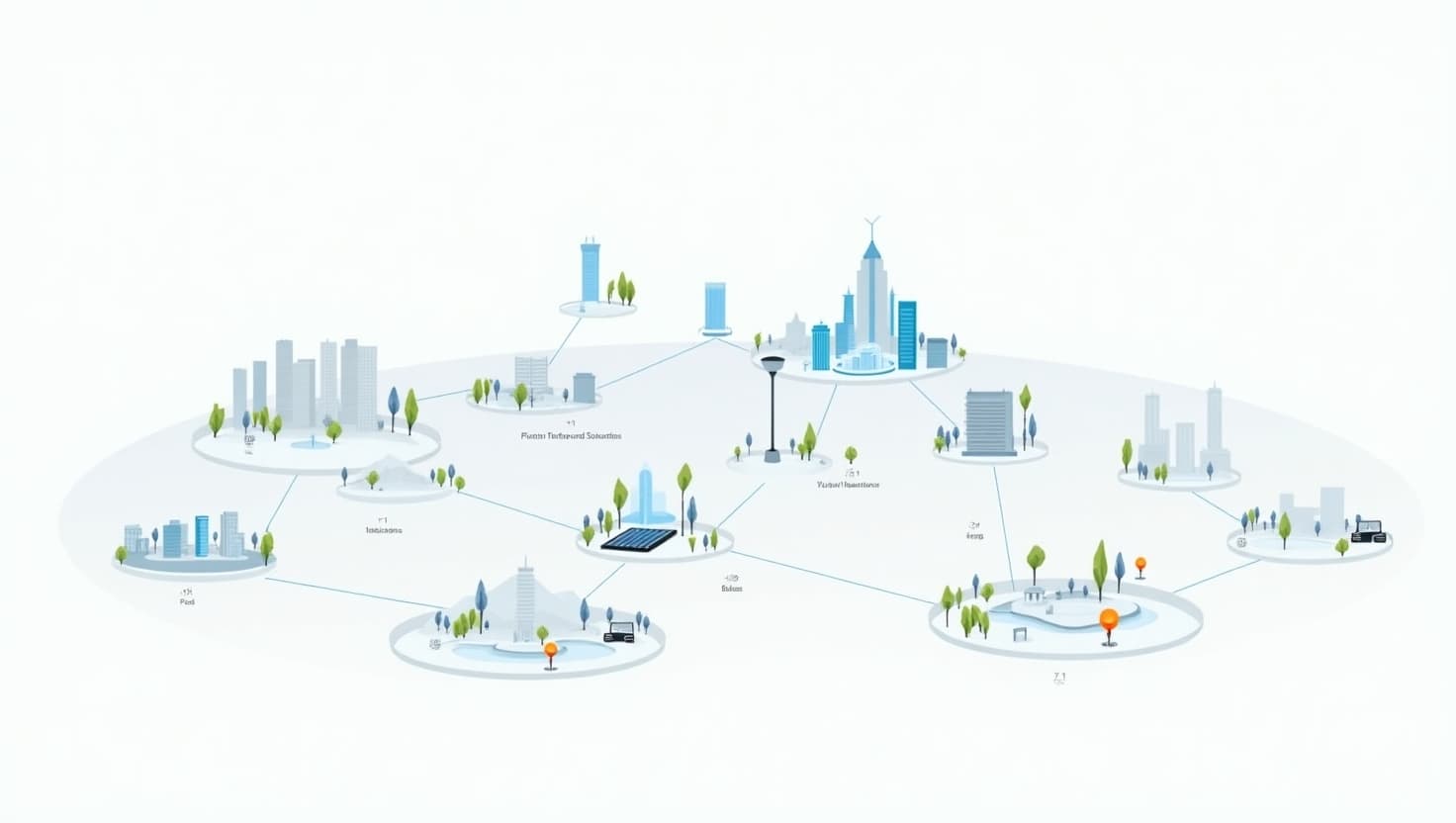
Centralized water systems often prioritize high-demand urban zones, leaving smaller communities as an afterthought. By decentralizing monitoring:
-
Communities maintain control over their own data.
-
Repairs can be localized and prioritized without bureaucratic delays.
-
The risk of system-wide outages is reduced.
This model ensures every household, school, and clinic is counted and cared for.
Beyond Technology — Building Trust
Trust is a cornerstone of water justice. It’s built when:
-
Data is openly shared between providers and residents.
-
Communities can track whether repairs are completed as promised.
-
Decision-making includes local voices.
By providing transparent metrics and empowering local leadership, L’ma360 fosters long-term collaboration rather than one-off interventions.
The Future of Water Justice
True equity in water access means more than pipes and pumps. It means visibility, accountability, and empowerment. Technology like L’ma360 can’t replace the need for good governance, but it can equip communities with the tools they need to stand as equal partners in managing their most essential resource.